Comma Press


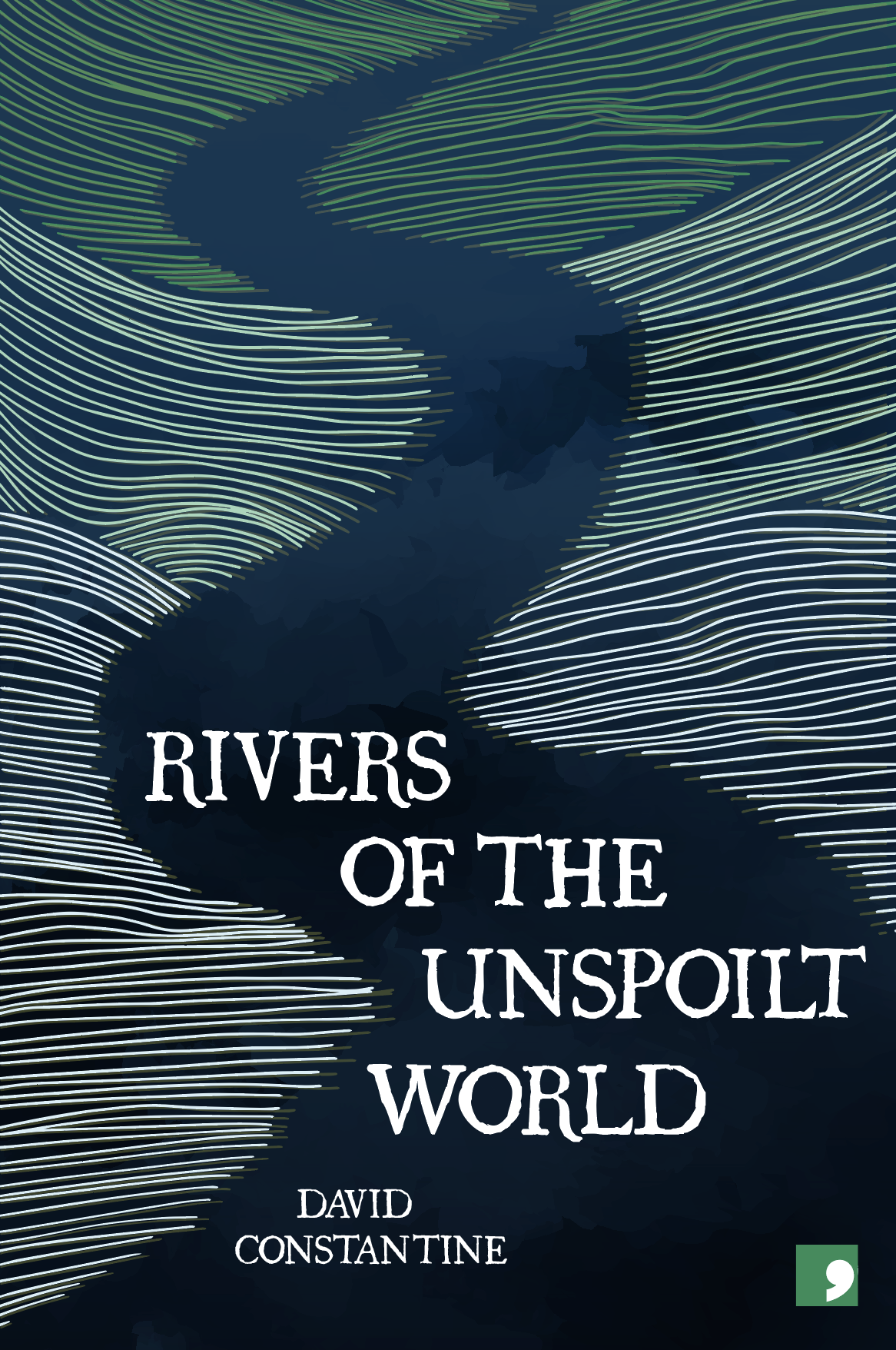

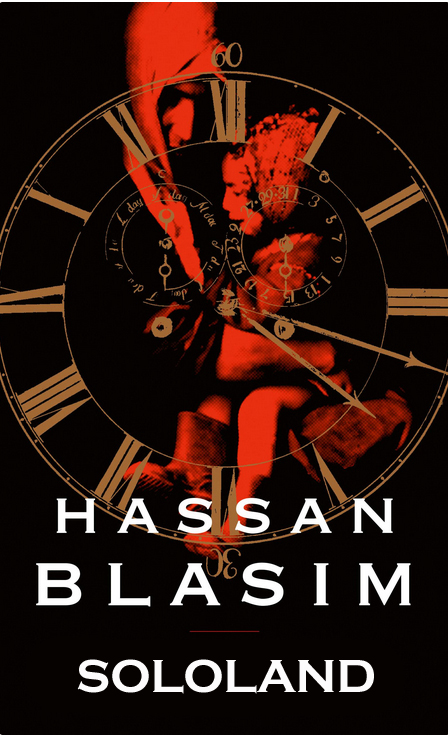
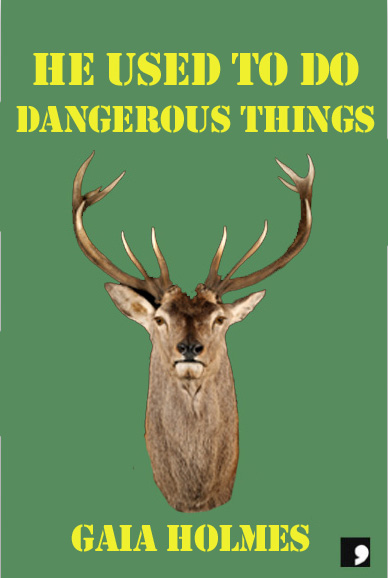
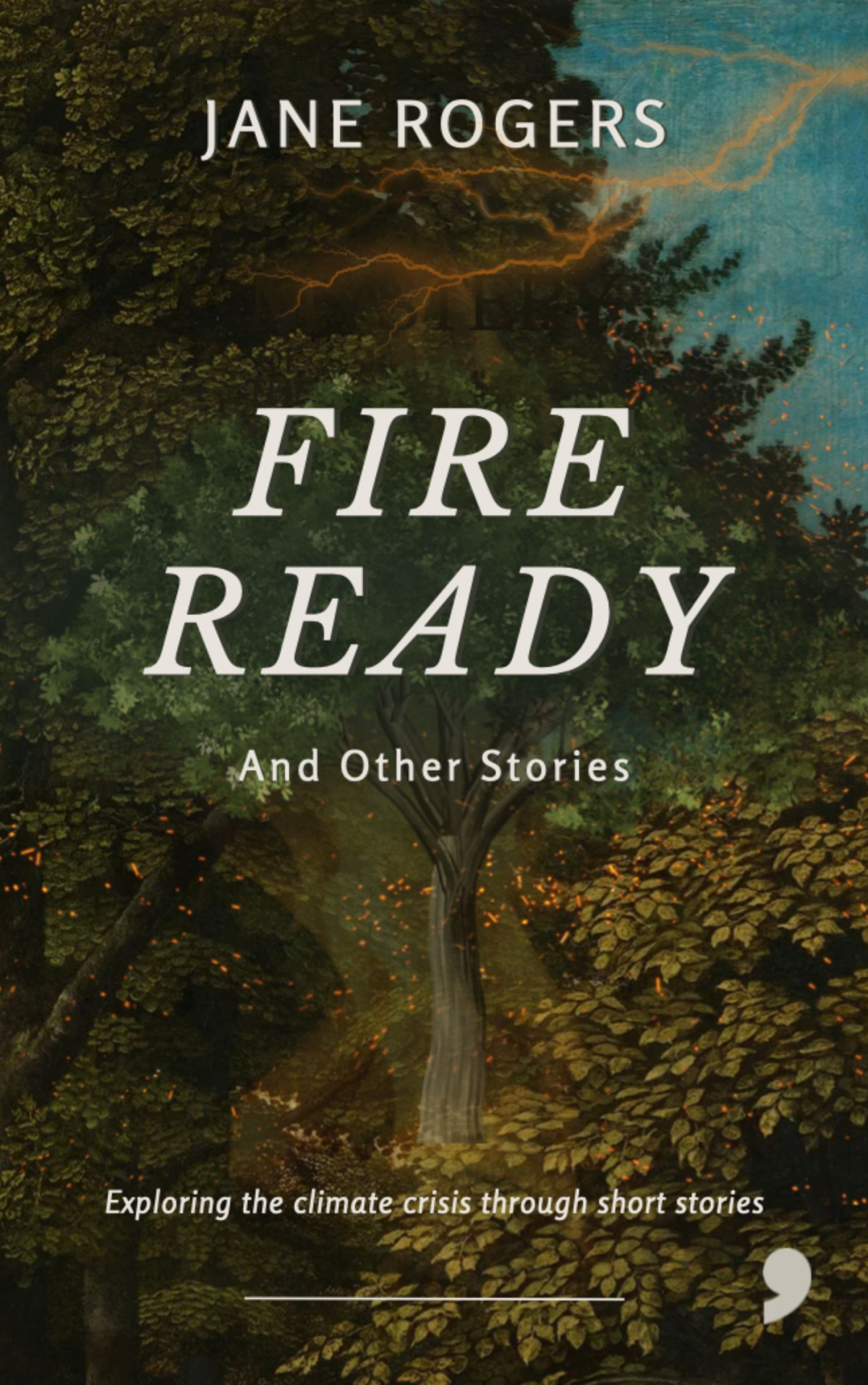
 View Our Books

We are a not-for-profit publisher and development agency specialising in short fiction from the UK and beyond.

About Us
Find out moreComma has an international reputation for championing world-class short fiction, and developing cutting-edge, often marginalised voices, both domestically and in translation. Our award-winning publications include single-author collections by new and established writers, city-based anthologies, groundbreaking SF and horror commissions, and interdisciplinary commissions (pairing researchers with authors to explore science and history through collaboration).
As a development agency, we are committed to addressing inherent biases within the publishing industry. We deliver courses, conferences, seminars and mentorship schemes that are designed to enable writers, translators and publishers to develop their craft and overcome barriers that currently prevent many from starting a career in the industry. Comma is also the founder and coordinator of the Northern Fiction Alliance, a joint promotional initiative, offering development opportunities to all creative publishers across the North.
Find out more
About the Short Story
Find out moreSmall but mighty things happen in short stories that are unique to them as a form; the imaginary worlds they create are coloured differently to those of the novel; their protagonists are more anonymous; their moral compasses more arbitrary. A short story doesn't have a 'hero' at its heart, in the traditional sense, but instead, what Frank O’Connor famously called 'submerged population groups' – outcasts, underdogs, people on the margins.
In this sense, publishing short stories is an attempt to democratise literature, to bring characters and voices from the margins into the main body of the narratives we tell ourselves. Short stories also lend themselves well to translation, they travel light, carrying less context with them than novels. The anthology format, with its multiple stories and multiple writers, also challenges the compulsion to simplify how we see other parts of the world, to distil the narrative of these places into a single, news-friendly story. In all these ways, and more, the short story is hardwired to redress the simplifying, centralising, power-serving biases of other types of narrative
Find out more
Literature Development
Find out moreWe are committed to making the publishing industry a more equitable place to work, increasing opportunities outside London and the South East, and removing barriers to differently-abled individuals, those from lower socio-economic backgrounds, or those belonging to the global majority. All of our events and programmes aim to redress the biases prevalent in the industry and to re-level an already heavily tilted playing field.
Our support for writers includes: through-the-year Short Story Courses hosted in cities across England as well as online and an annual National Creative Writing Industry Day, offering aspiring writers advice, knowledge and skills from key industry professionals. We also support translators through 'Translating the North' a career development conference, featuring workshops, talks and networking. We also support fellow independent publishers in the region through the Northern Fiction Alliance, a coalition of presses designed to develop and jointly promote our work through CPD seminars, mentoring, and rights delegations.
Find out moreLatest books, news and events
Forthcoming

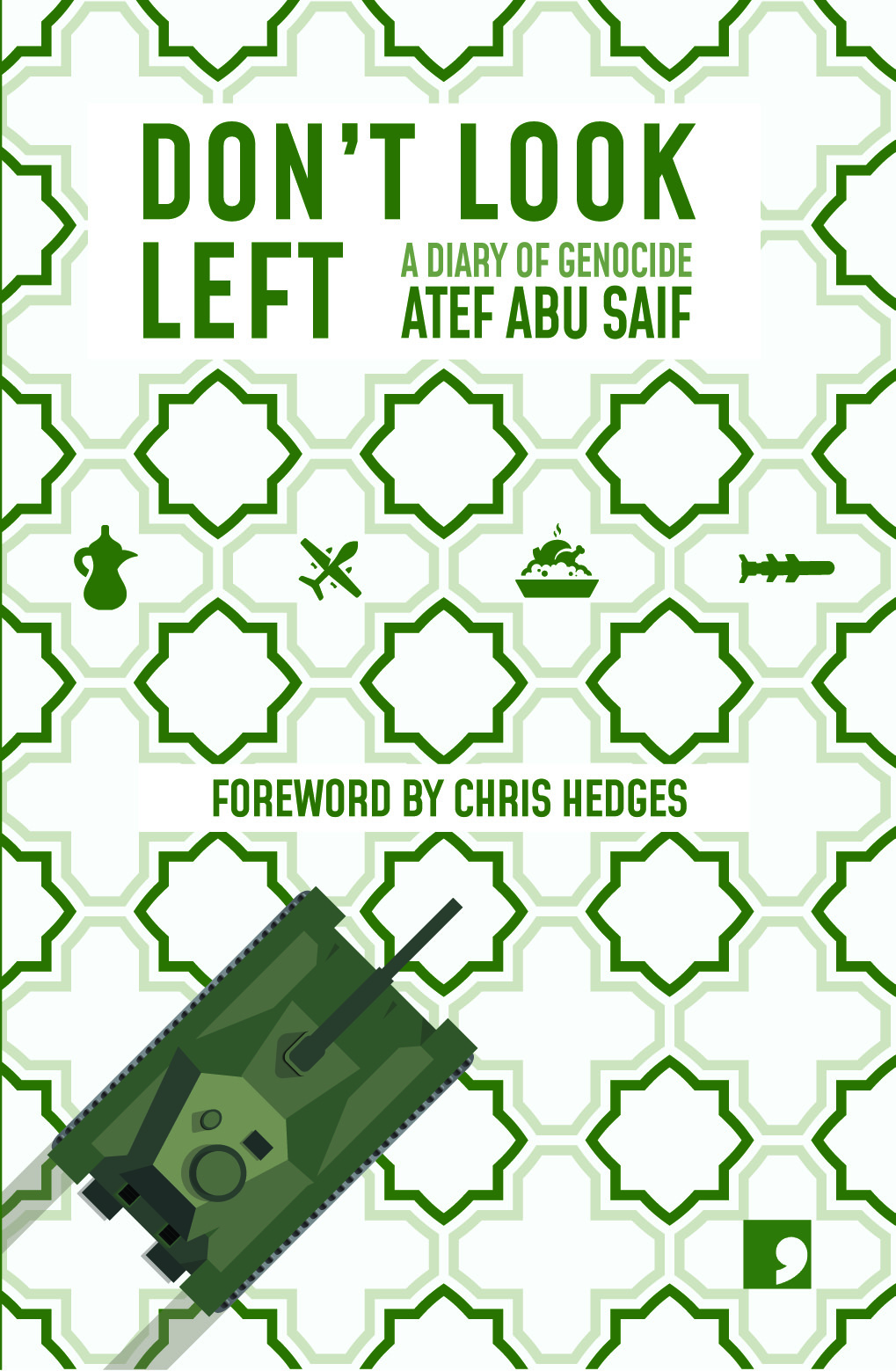
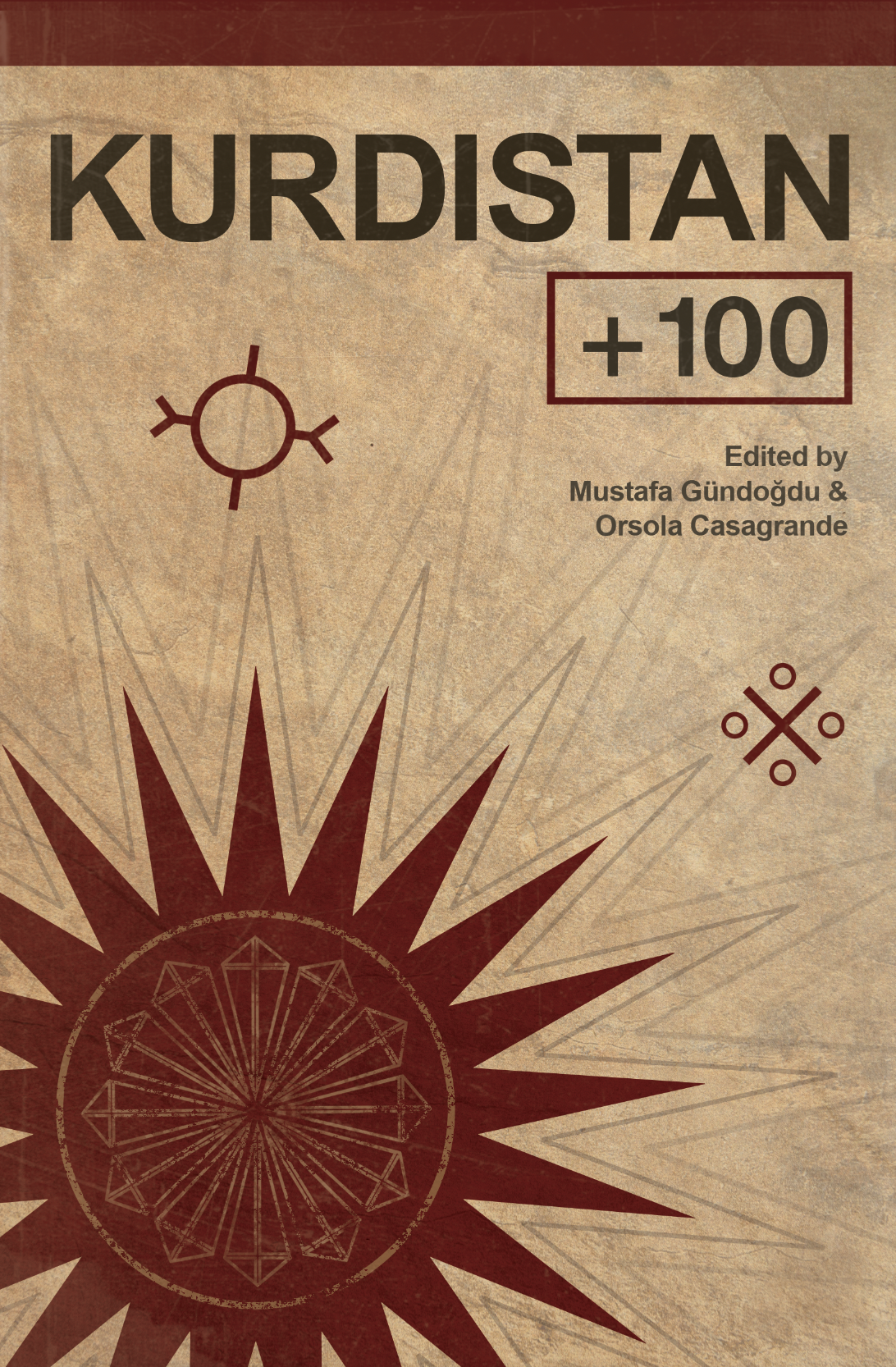
Latest releases


Latest News